



Choosing the right type of painting is one of the most important decisions an artist can make. Whether you are a beginner in art or a professional, the kind of paint you choose will decide how your art turns out. Each type of paint brings its own texture, finish, drying time, and artistic possibilities. Whether you are creating a detailed portrait, a bold abstract piece, or a simple illustration, understanding the paint types can help you work faster and smarter. In this blog, we will discuss 7 major types of paint for art used in modern as well as traditional art. We will look into their use, benefits, disadvantages, and tools required for each type of paint.
1. Oil Paint
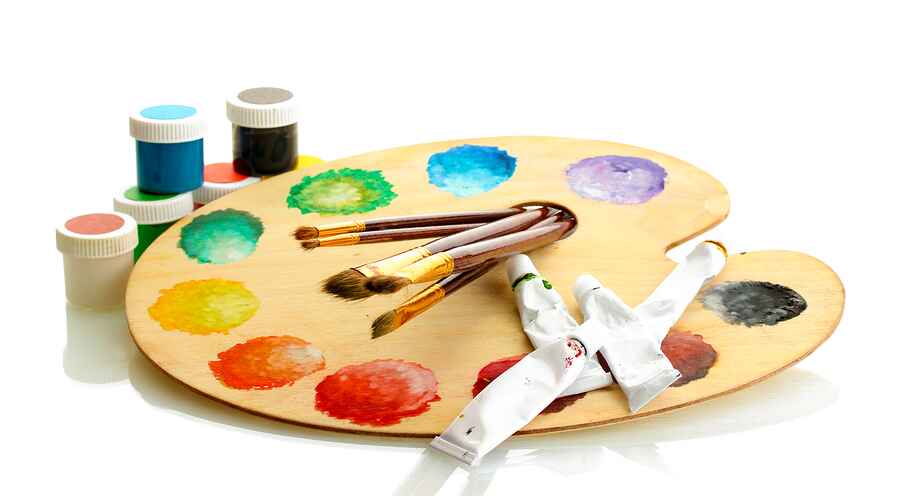
Oil paints are made by suspending finely crushed pigments in oils like linseed oil. These dry slowly, making the waiting period for painting to finish longer. The artist needs to wait for the earlier coat to dry before moving to the next one. Depending on the number of layers, the painting can take a very long time to dry, making it harder and thicker with time. It is used in portraits, realistic paintings, layered textures, landscapes, and fine arts for galleries.
The pigment of oil paints is highly vibrant, making it excellent for detailed and realistic artwork. These paints are highly blendable and result in smooth transitions and gradients. Artwork made with oil paints is very durable and long-lasting.
2. Acrylic Paint | Types of Paint for Art
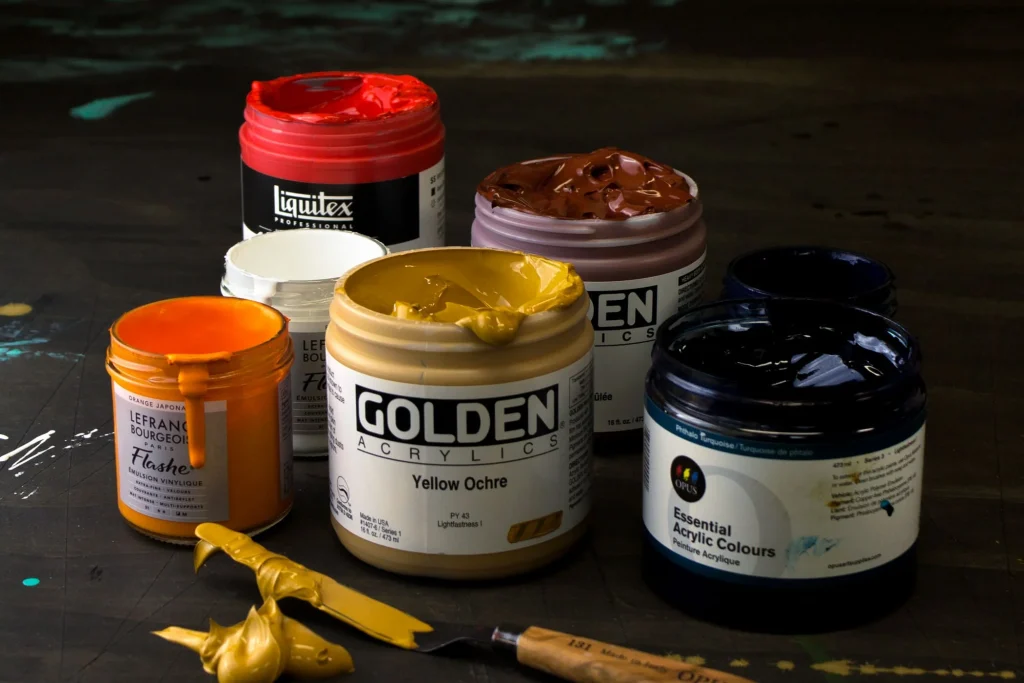
Acrylic paints are water-based paints that dry quickly and become water-resistant after drying. As they are water based they do not need thinners like turpentine or other paint thinners. They are beginner-friendly paint and also more affordable. They can be used in making canvas paintings, abstract art, craft projects, and DIY home decor. Their pigment can mimic oil paint. Acrylic paints are easy to clean with just water and work well on wood, paper, and even fabric. Because of its quick drying property, it is hard to use for art that requires long blending. Also, the colors may darken a bit after drying, giving them a less rich feel than the oil paints.
3. Watercolor Paint
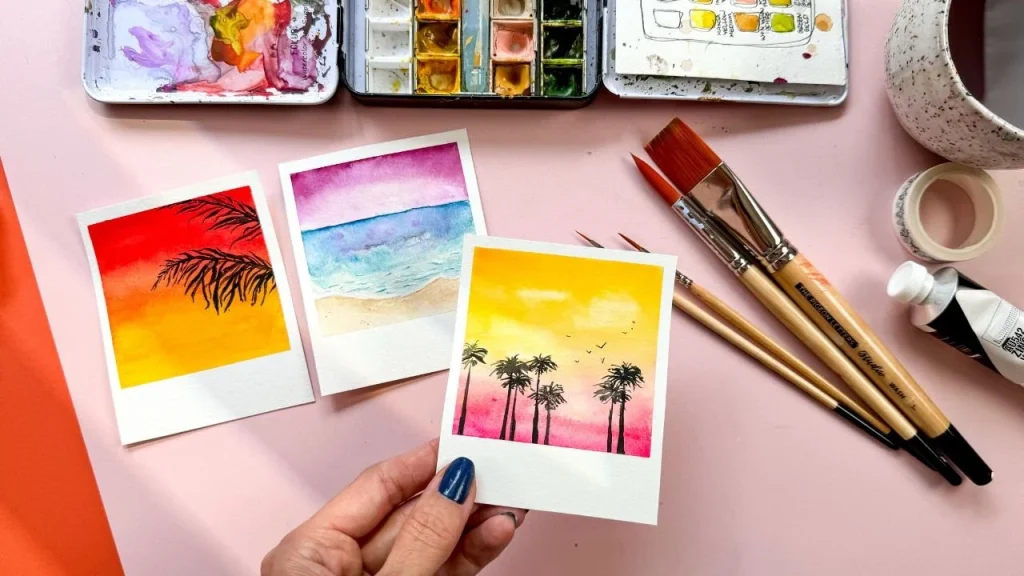
Watercolor is a transparent water-based paint known for its soft, luminous layers. They are used on a special kind of paper instead of canvas. Before using the paint, the paper needs to be completely wet and then dried to avoid wrinkling. These paints have a semi-transparent nature and are quick-drying. Landscapes, calligraphy, floral art, travel sketches, and minimalistic paintings make use of this paint. Watercolors are affordable and easy to blend and layer. They leave a soft, transparent finish by drying quickly. Because of its nature, it is hard to correct mistakes and requires skills to control water. It has a special need for textured paper, and drying into lighter colors makes it a less-used type.
4. Gouache Paint
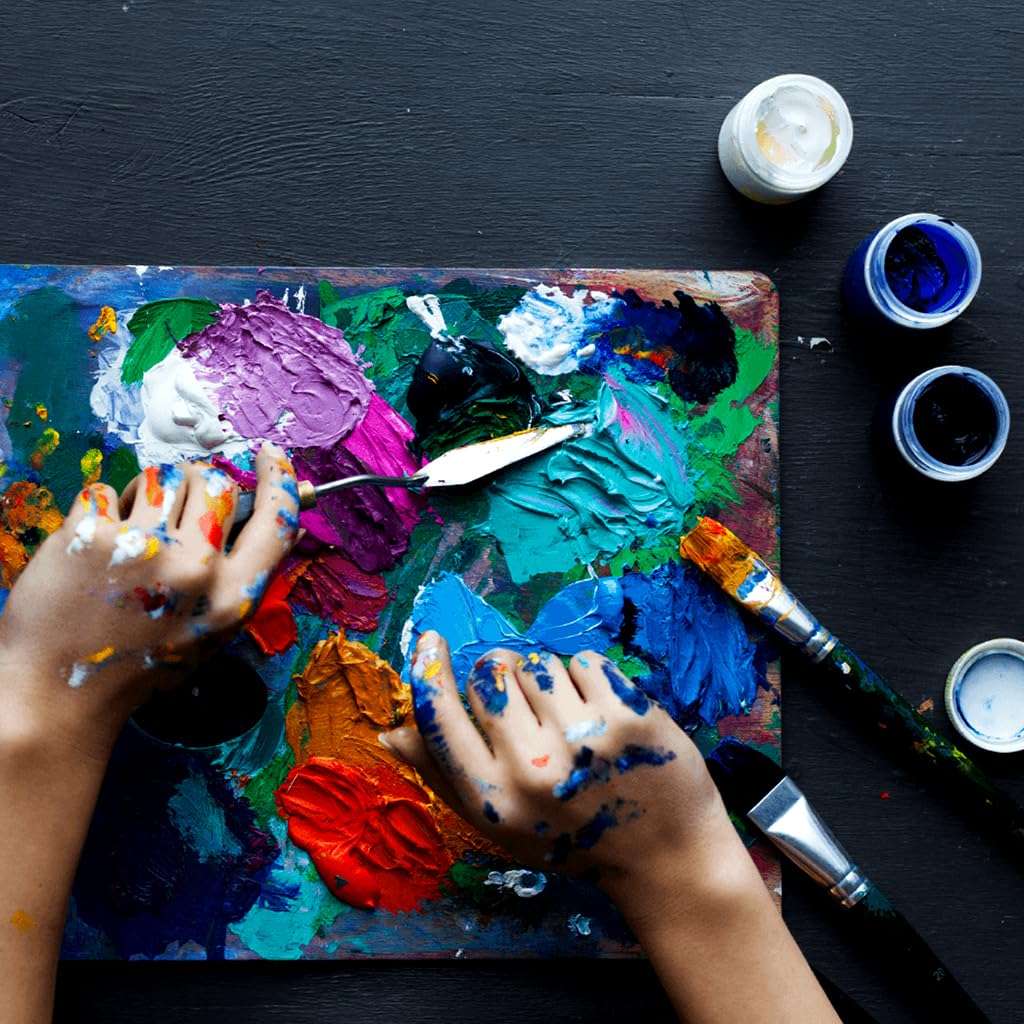
Gouache is an opaque watercolor paint with a matte finish. It is popular amongst illustrators, designers, and modern artists. Its components are very similar to those of watercolors, just the ratio is altered, which results in a fully opaque paint. They are easy to work with, as the mistakes can be corrected easily by reactivating the color with water. It works well with sharp edges and detailed work. It is suitable for flat, solid color artwork and graphic style painting. The disadvantages include its cracking problem when applied too thickly. It is also not as long-lasting as acrylic or oil paints.
5. Poster Paint / Tempera Paint
Poster paint (tempera) is a water-based, vibrant, non-toxic paint commonly used in school and beginner art. They are very affordable and have a bright pigment. They dry quickly and do not need much work in cleaning. Although they are not long-lasting and fade over time, they are not suitable for professional artworks. Tempera is not suitable for use on canvas, but it is suitable for use on wood or paper. It can also be reactivated with water, like gouache. It is mainly used in school projects, kids’ art, basic sketches, and craft projects.
6. Spray Paint | Types of Paint for Art
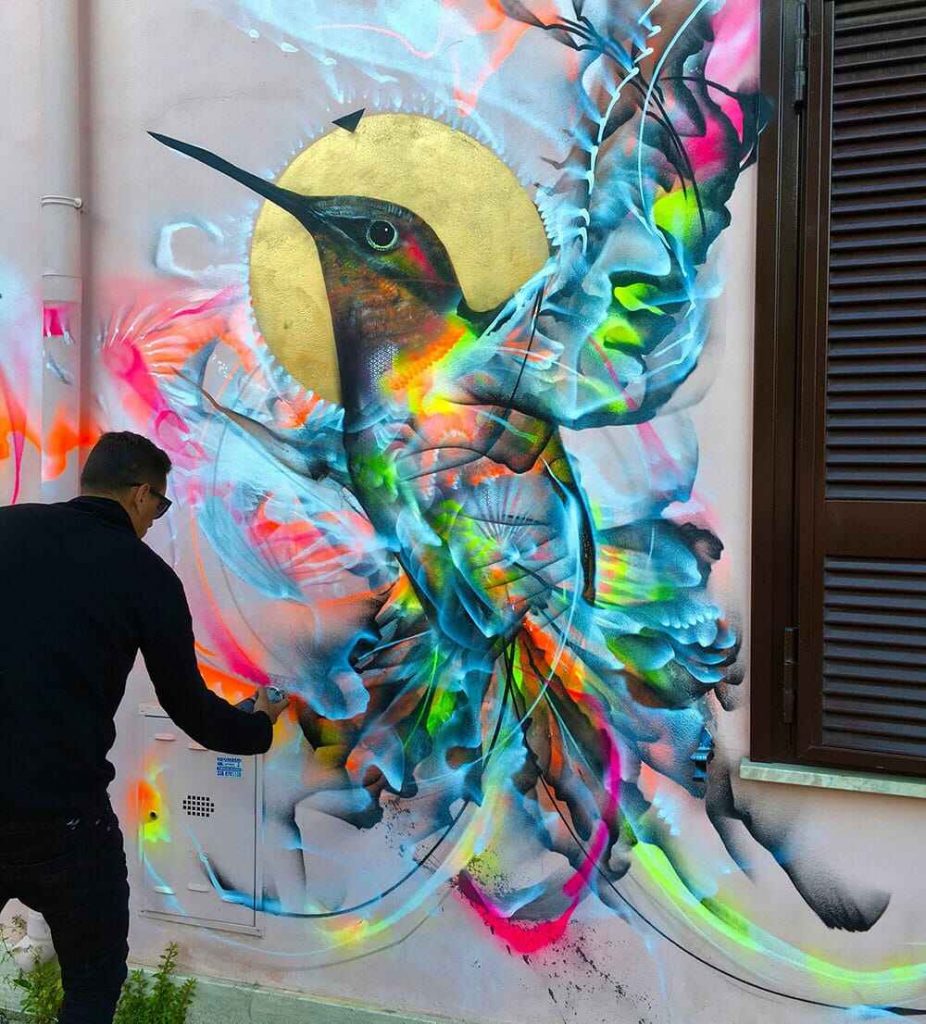
Spray paints come in aerosol cans and are perfect for large surfaces and modern style art. Popularly, graffiti, murals, or stencil art make use of this paint. Spray paint easily covers large areas, leaving a smooth and even finish. They can be water or oil-based, depending on the type. They leave a vibrant pigment and work best with stencils. As they can be harmful to use inside a closed area, always prefer an open, fully ventilated area to use these paints with protective gear. Spray paints are hard to use when you need detailing and small artwork.
7. Encaustic Paint
Encaustic paint is a unique medium created by mixing pigments with hot beeswax. Artists heat the wax and apply it using brushes or metal tools. This paint is suitable for textured, layered art, mixed media pieces, or abstract pieces. It leaves a beautiful texture and depth, allowing carving, layering, and embedding objects. It gives a glossy, rich finish and is very durable. These paints are not beginner-friendly as they require heating equipment. It is expensive, and it’s harder to find its supplies.
Comparison Table of Paint Types
| Paint Type | Drying Time | Finish | Difficulty | Durability | Best For |
| Oil Paint | Slow | Glossy, rich | Advanced | Very high | Realistic & classical art |
| Acrylic Paint | Fast | Matte/Glossy | Beginner+ | High | Canvas, abstracts, crafts |
| Watercolor | Fast | Transparent | Intermediate | Medium | Illustrations, nature art |
| Gouache | Medium | Matte, opaque | Beginner–Mid | Medium | Posters, flat illustrations |
| Poster/Tempera | Fast | Matte | Beginner | Low | Kids’ art, school projects |
| Spray Paint | Fast | Smooth, vibrant | Intermediate | High | Murals, graffiti, large art |
| Encaustic Paint | Medium | Glossy, textured | Advanced | Very high | Textured & mixed media |
Understanding different paint types helps you choose the perfect medium for your artistic goals. Whether you prefer the rich blending of oils, the quick versatility of acrylics, the softness of watercolors, or the bold textures of encaustic paint, each type brings unique possibilities. As you start experimenting, you’ll discover the preferred style and medium. With this guide on types of paint for art, you can start trying out different paints based on your needs and let your creativity take over.
Shop among the Best Interior Design and Home Furnishing products here. Follow us on Instagram and Pinterest for more ideas.






Best Selling Products
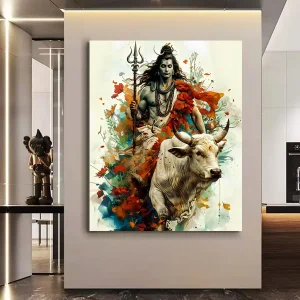
Shiva on Nandi Modern Painting
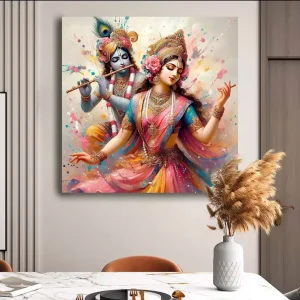
Enchanting Radha Krishna Painting
Glorious Shreenathji Pichwai Painting
Lotus Serenity Buddha Painting
Traditional Lotus Cow Pichwai Painting
Tree of Life with Cow Pichwai Painting
Gold & Blue Ginkgo Abstract Flower Painting
7 Running Horse Vastu Painting
Desert Storm Seven Running Horse Painting
Storms End 7 Horses Vastu Canvas Painting